Manor History — Stories Behind the Architecture
Walk through centuries of Latvian heritage. We've highlighted the key architectural features and family stories that shaped Mežotne manor, with stopping points along the route where you can pause and explore the details up close.
Understanding Mežotne's Architectural Journey
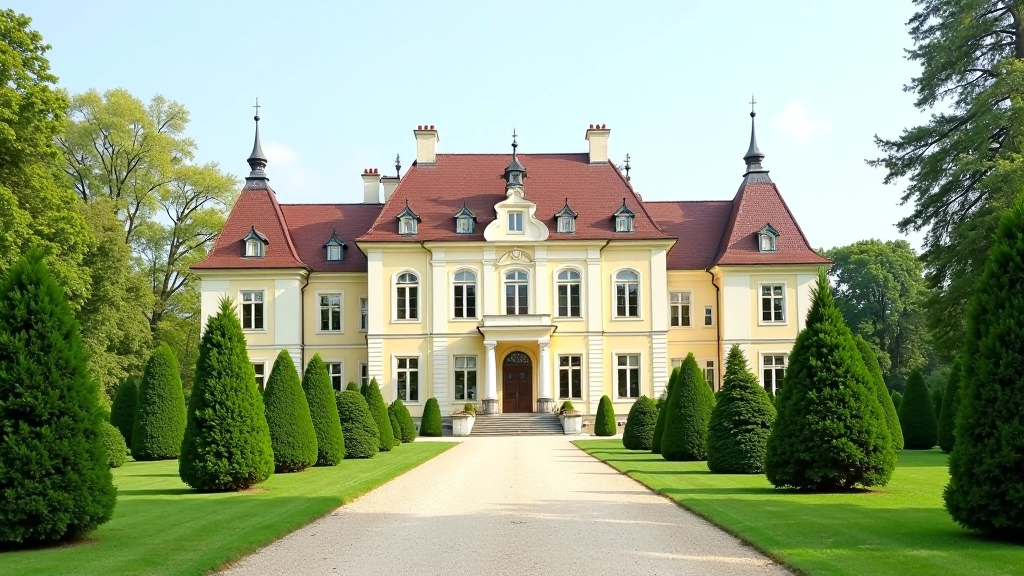
Mežotne's architecture tells the story of three centuries of Latvian nobility and changing European tastes. The main palace wasn't built all at once — it evolved. The oldest sections date back to the 1690s when the Livonian Order held the lands. What you see today is largely from the 18th and 19th centuries, when successive families expanded and renovated according to whatever style was fashionable at the time.
The building you'll walk past combines Baroque details with classical proportions. You'll notice the symmetry immediately — it's one of the defining features of Georgian-era architecture. The windows are large and evenly spaced, the central entrance is flanked by columns, and the roofline has that distinctive profile. But look closer and you'll spot elements that don't quite match, which tells you exactly where additions were made.
The Walking Route Includes
- Main palace entrance and façade details
- Servant quarters and kitchen gardens
- Historic chapel and burial grounds
- Park redesign elements from the 1800s
- Riverside views and restoration work
The Main Palace: A Study in Symmetry and Addition
The palace's current form dates primarily to 1795, when it was redesigned by the noble family living here. The frontage spans about 60 meters — substantial but not ostentatious by European manor standards. The symmetrical layout means everything mirrors on either side of that central entrance.
What's particularly interesting from an architectural perspective is how you can spot the seams. The original building was roughly square. Then wings were added. The roofline shifts slightly where new sections join the old. The stonework shows different weathering patterns depending on age. You're looking at actual history layered into the structure.
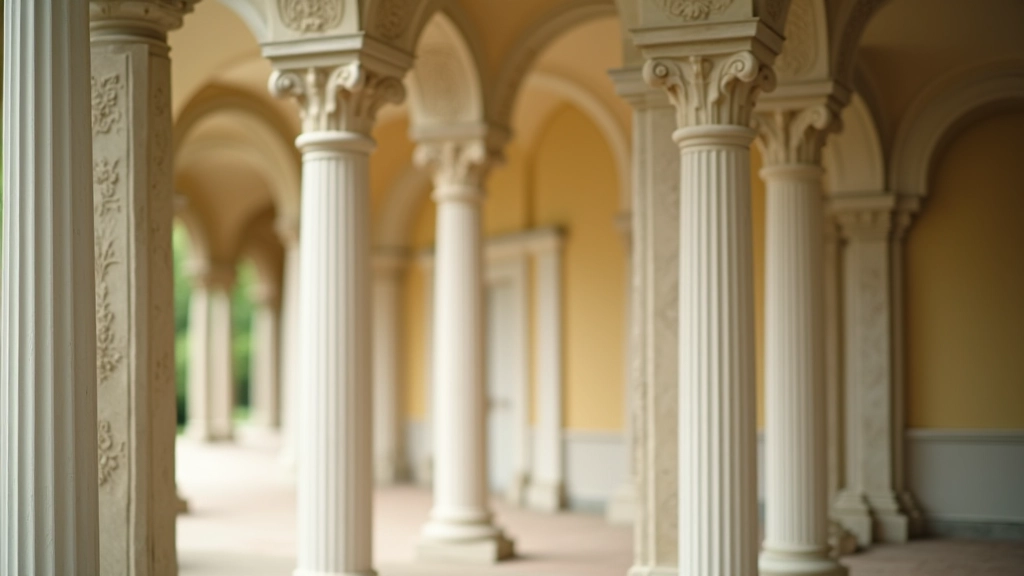
The columns flanking the entrance are neoclassical — that style dominated the late 1700s. But look at the window treatments and decorative elements around the roofline. You'll see Baroque curves mixed with classical restraint. That's exactly what happened in architectural practice during that transition period. Builders used what they had and updated what they could afford to change.
The Servant Quarters: Where Most People Actually Lived
Here's something that shifts perspective — the grand palace you're admiring? A couple dozen people lived there. The actual working manor involved 200-300 people. Servants, groundskeepers, craftspeople, cooks. They lived in separate buildings arranged around the property.
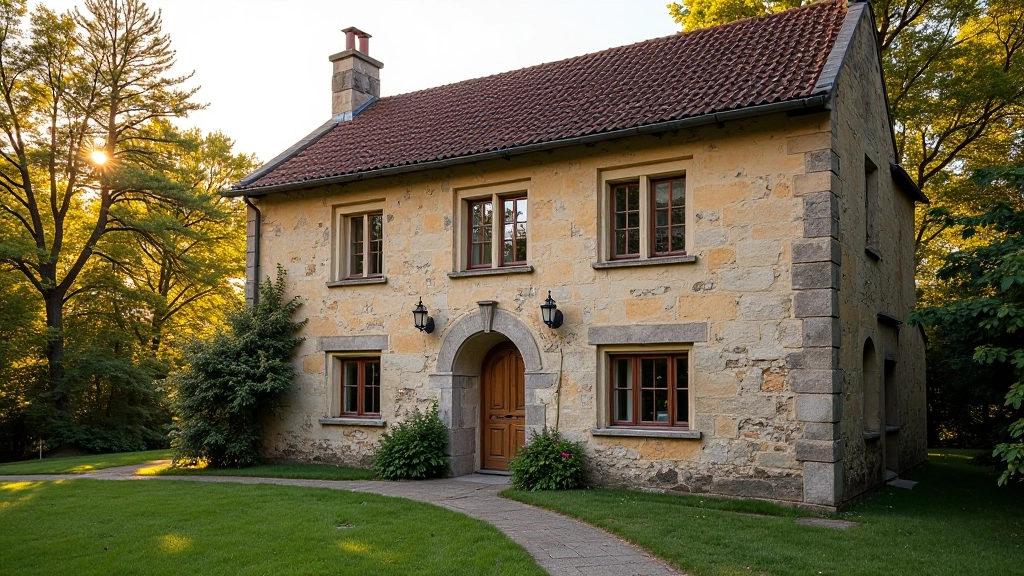
The servant quarters you'll pass are noticeably smaller and more utilitarian. The walls are thicker in some places (better insulation for winter), the windows smaller (less heat loss, more privacy). The construction is solid but plain. These buildings haven't been fully renovated like the palace, so you're seeing them closer to their original condition. That actually makes them valuable for understanding how people really lived here.
The kitchen building is particularly interesting. It's positioned separately from the main house — a fire safety precaution. The large ovens required serious ventilation. You can still see the chimney arrangements. Cooking here wasn't quick. Meals for 30 people took hours of preparation starting before dawn.
The Park Design: 200 Years of Landscaping
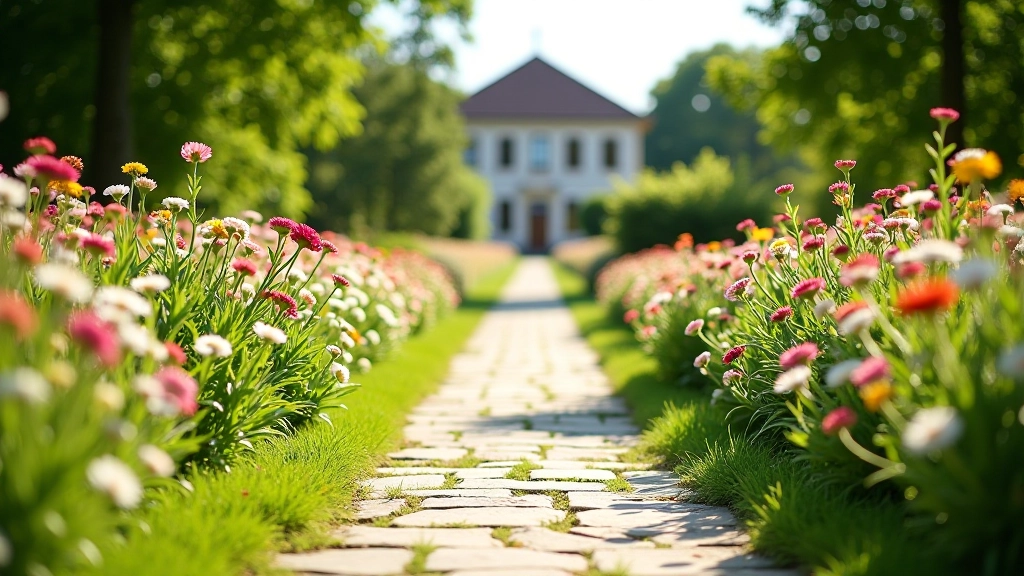
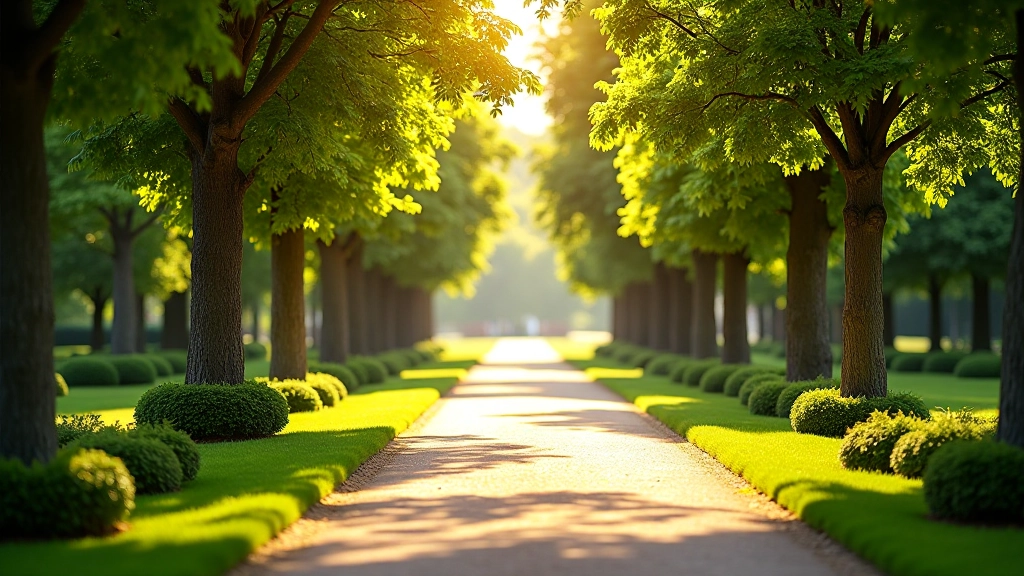
The gardens and park you're walking through aren't accidental. They're the result of deliberate design, though you'd need to know what to look for to notice. The formal gardens closest to the palace are structured — tree-lined paths, clear sight lines, geometric beds. That's 18th-century thinking. Everything ordered and controlled.
Then as you move further out, the landscape becomes more "natural." Winding paths, clusters of trees creating pockets of shade, views arranged to reveal themselves gradually. That's 19th-century Romantic-era landscape design. The Victorians wanted their parks to feel discovered, not designed.
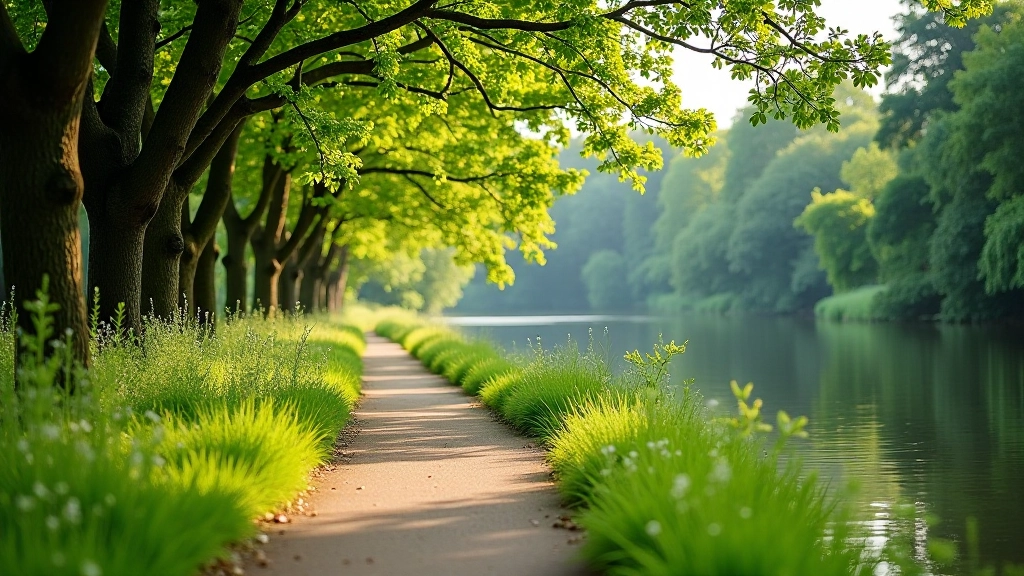
The riverside sections especially show this transition. The paths along the Lielupe were deliberately widened and cleared during the 1880s renovations. Benches were placed at specific viewpoints. The tree species were chosen partly for visual effect. What feels like a natural walk was actually carefully choreographed.
The Chapel and Family Legacy
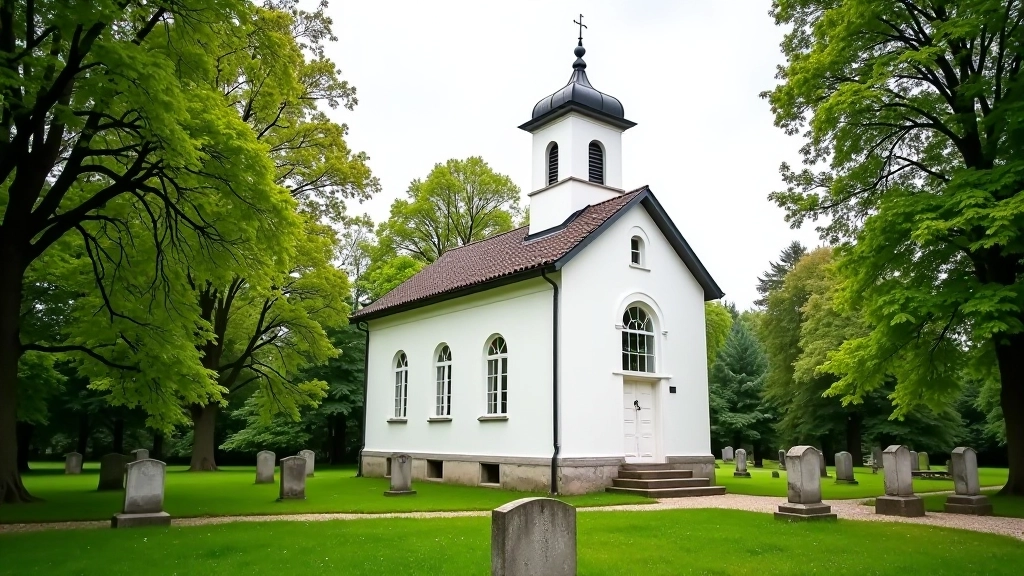
Every major manor had its own chapel. The one at Mežotne is modest but significant. Built in 1735, it's one of the oldest surviving structures on the property. The style is straightforward — function over decoration. A simple nave, a small altar, capacity for maybe 80 people crowded in.
What makes it historically important is what's buried there. The family cemetery contains stones dating back generations. Some names appear repeatedly — that's how you trace the lineage of succession. Some stones are elaborate, others simple. The quality and detail of the stonework often reflected the family's financial situation at that moment.
The chapel's preservation is relatively recent. During the Soviet era, it fell into disrepair. The roof leaked for decades. But starting in the 1990s, restoration work brought it back. You're seeing it now closer to its original condition than it was just 30 years ago. The whitewashed walls, the wooden interior — these aren't original materials, but they're sympathetic to what was there before.
Reading the Details: What to Look For
Architecture becomes much more interesting when you know what you're looking at. Here's what to pay attention to during your walk. First, the windows. Older windows are smaller and often irregular in placement. Later additions tend to have larger, more uniform windows because glass became cheaper and manufacturing more standardized. The window frames themselves tell stories — are they original wood or replacements?
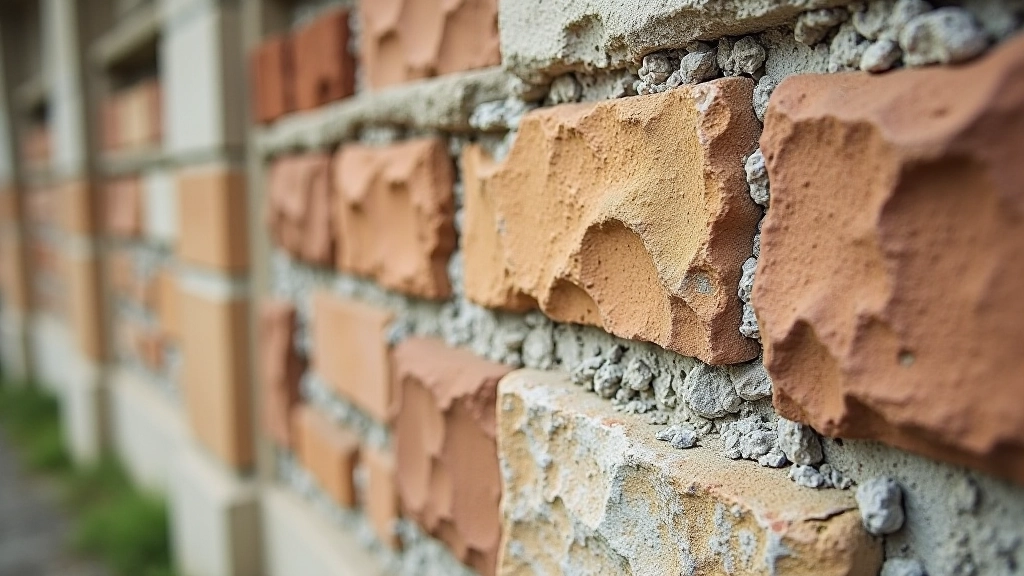
Second, materials. Limestone, sandstone, and brick weather differently. You'll see different colors and textures where different materials meet or where repairs were made. Mortar between stones changes color over time and tells you about restoration campaigns.
Third, the roof. The pitch, the material, the way it meets the walls — all of it indicates age and function. Steeper roofs are older (snow management in harsh winters). The style of guttering and downspouts changes through history.
Finally, proportions. Earlier buildings often feel differently balanced than later ones. The classical symmetry of the 1700s gives way to the asymmetry favored in the Victorian era. Once you see it, you can't unsee it.
Connecting the Stories
Mežotne isn't frozen in time — it's a living building that shows you exactly how history happened. Every addition, every repair, every material choice was made by real people responding to real circumstances. The families who lived here made decisions based on money, fashion, necessity, and what was possible with the technology available to them.
When you walk the route, you're not just seeing old buildings. You're reading a timeline written in stone and wood. The architectural details are the primary sources. They don't lie about when things were built, what was valued, how people lived. That's what makes this walk special — the history is literally built into the landscape.
Take your time. Look up at the rooflines. Peer at the window details. Walk slowly enough to notice the transitions. The stories are there, waiting for someone curious enough to read them.
About This Information
The historical information provided here is based on documented records and architectural analysis. While we've taken care to verify dates and architectural details, some aspects of manor history remain subject to scholarly interpretation. The restoration work at Mežotne is ongoing, and new discoveries about the building's history continue to emerge. This guide is intended to enhance your visit and encourage further exploration. For detailed historical research, we recommend consulting the Mežotne Palace archives and published architectural studies of Latvian manor estates.

More Walking Routes